Convective Event Classification
AI-driven identification of severe storms with high accuracy—advance hail and squall alerts to protect sensitive crops before impact.
We combine weather forecasts, observations and local knowledge to support agricultural planning. SOPHIA® combines artificial intelligence, regional modeling and observed data to refine forecasts for each application.
Capabilities
From field-level forecasting to disease alerts—we translate climate and soil into practical recommendations for daily farm operations.
AI-driven identification of severe storms with high accuracy—advance hail and squall alerts to protect sensitive crops before impact.
Models that calculate disease susceptibility—soybean rust, anthracnose, mildew—by correlating leaf wetness with temperature and humidity.

Calculation of degree-days, evapotranspiration, and sequential water balance—track crop physiological development and water stress.

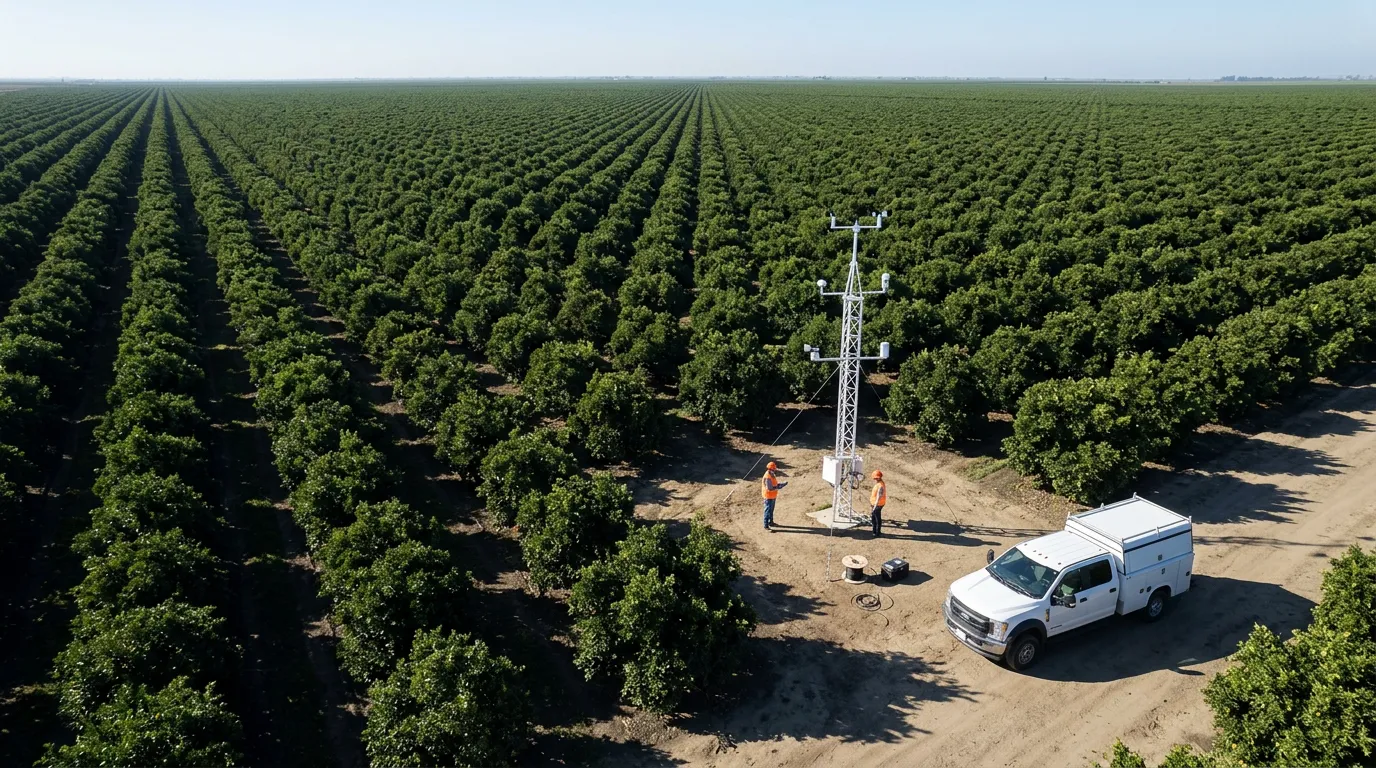
Integration of in-field weather stations, satellite vegetation indices, and seasonal climate outlooks—a complete picture per field block.

Proprietary system combining physical modeling, statistical post-processing, and deep learning—more accurate forecasts than conventional global models.

Use Cases
Spraying, crop health, machinery, and livestock—from the field to harvest management with clear operational windows.
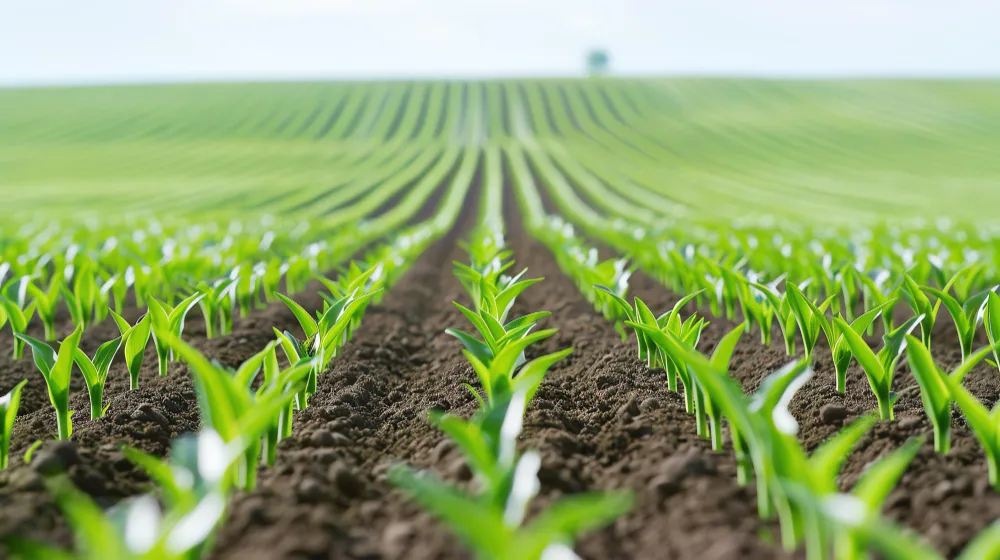
Seasonal simulations for cooperatives and insurers to assess rice sterility risk or corn germination failure under temperature anomalies.
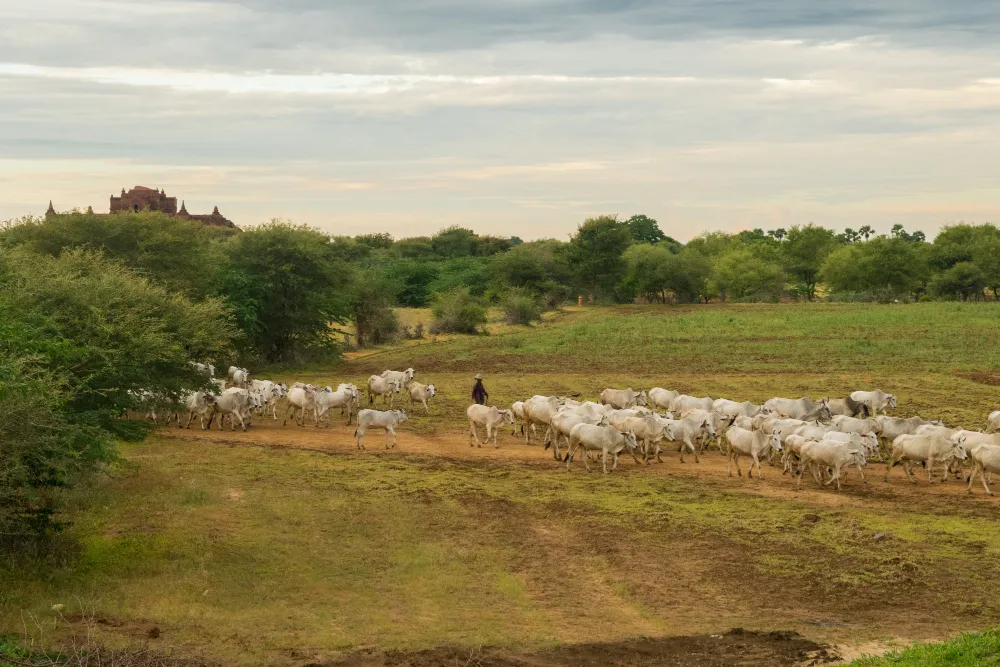
Real-time Temperature-Humidity Index (THI) monitoring—manage heat stress in poultry, swine, and cattle, impacting weight gain and mortality.
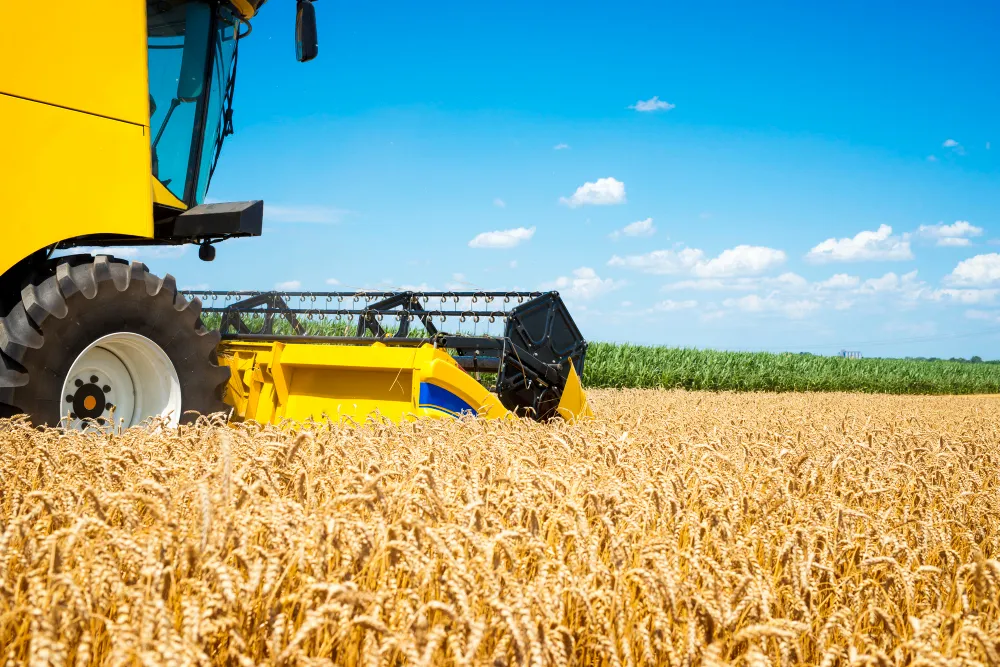
Soil moisture and water surplus/deficit modeling to define safe windows for heavy machinery entry, planting, and harvest—avoiding compaction.
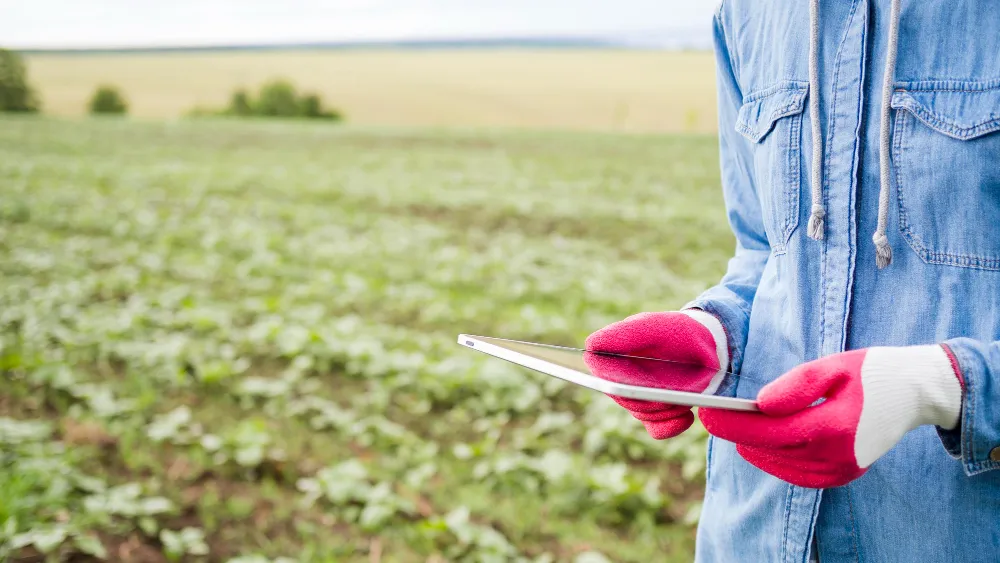
Hourly Go/No-Go dashboards for herbicides and pesticides—based on wind drift risk, thermal inversion, and rain wash-off probability.
Early-warning systems for coffee rust, grape mildew, and other diseases—enabling preventative rather than reactive treatment.