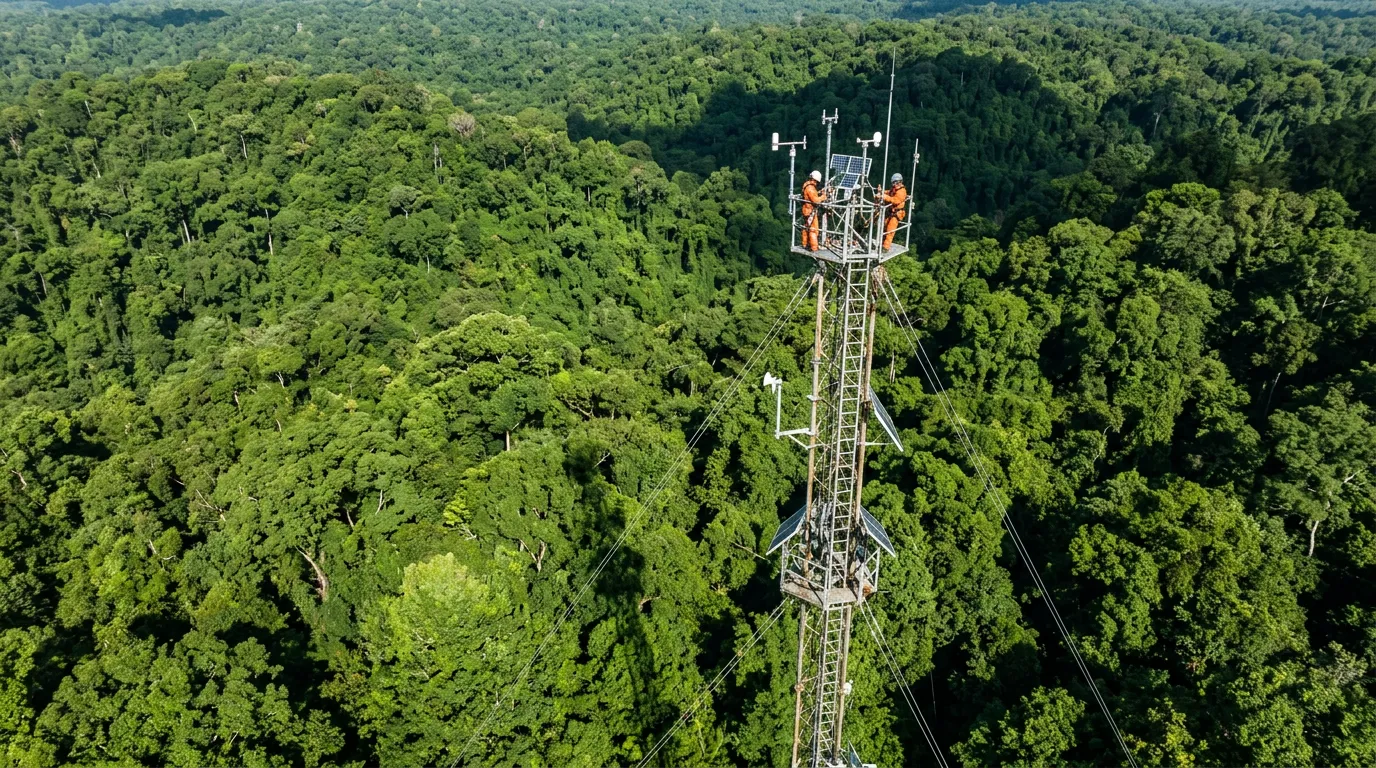
Atmospheric Dispersion Modeling
We simulate pollutant dispersion considering emissions, wind, atmospheric stability, and operational scenarios—supporting impact, air-quality, and environmental-compliance studies.

We combine meteorology, oceanography, observations and numerical modeling for environmental studies and monitoring. SOPHIA® combines artificial intelligence, regional modeling and observed data to refine forecasts for each application.
Capabilities
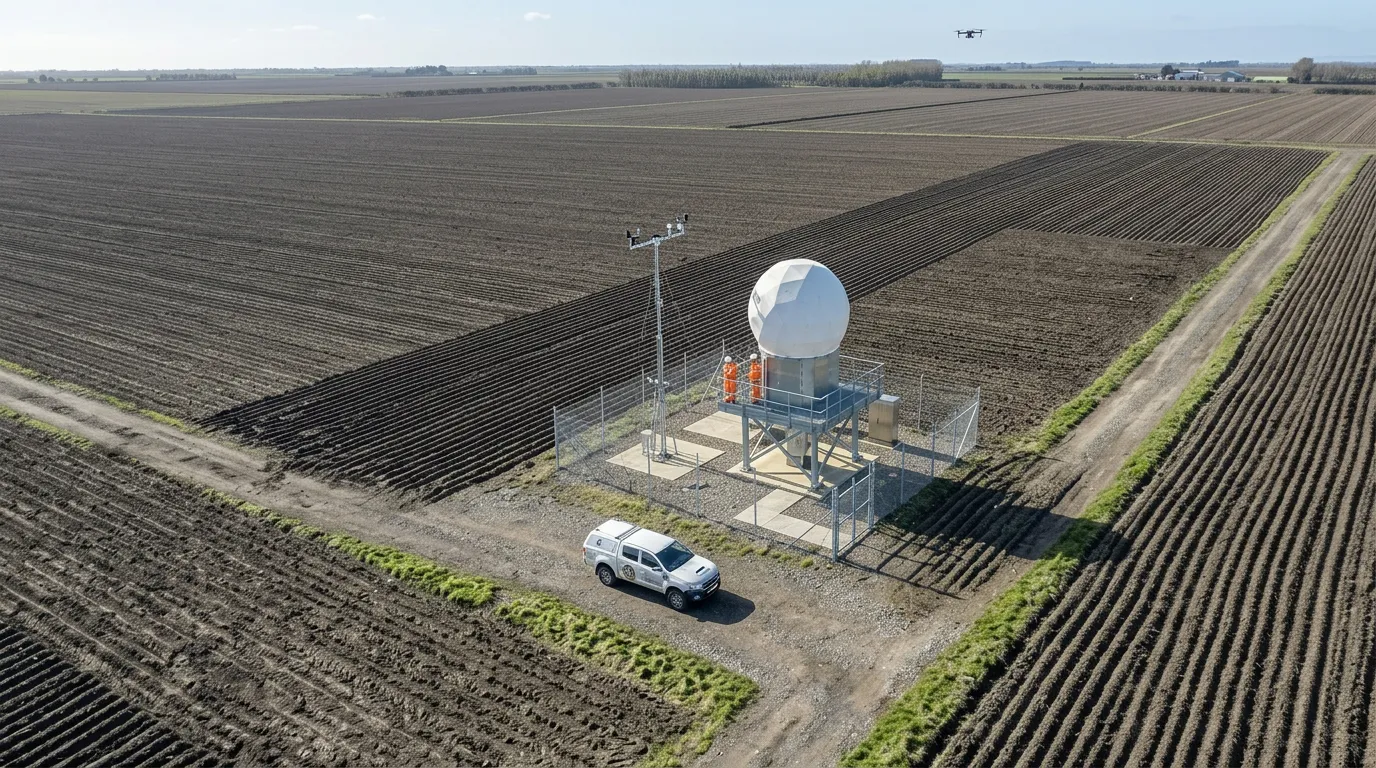
We connect physical models, field observations, and remote sensing to turn environmental variables into actionable evidence.
We simulate pollutant dispersion considering emissions, wind, atmospheric stability, and operational scenarios—supporting impact, air-quality, and environmental-compliance studies.
We process satellite imagery and indices to track land use, vegetation cover, water bodies, burned areas, and environmental change across scales.

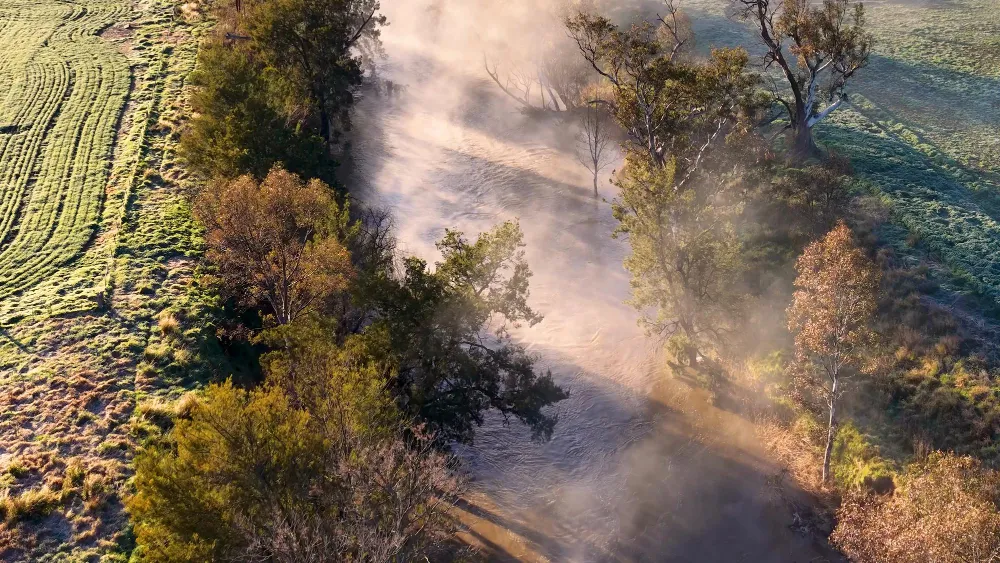
We analyze the transport and dilution of substances in rivers, reservoirs, estuaries, and coastal areas by combining currents, waves, tides, and water-body characteristics.

We calculate indicators for wildfires, water deficit, and other critical conditions by combining meteorological and hydrological data, local observations, and climate history.

Use Cases
Studies, monitoring, and alerts that support permitting, operations, enforcement, and environmental-risk management.
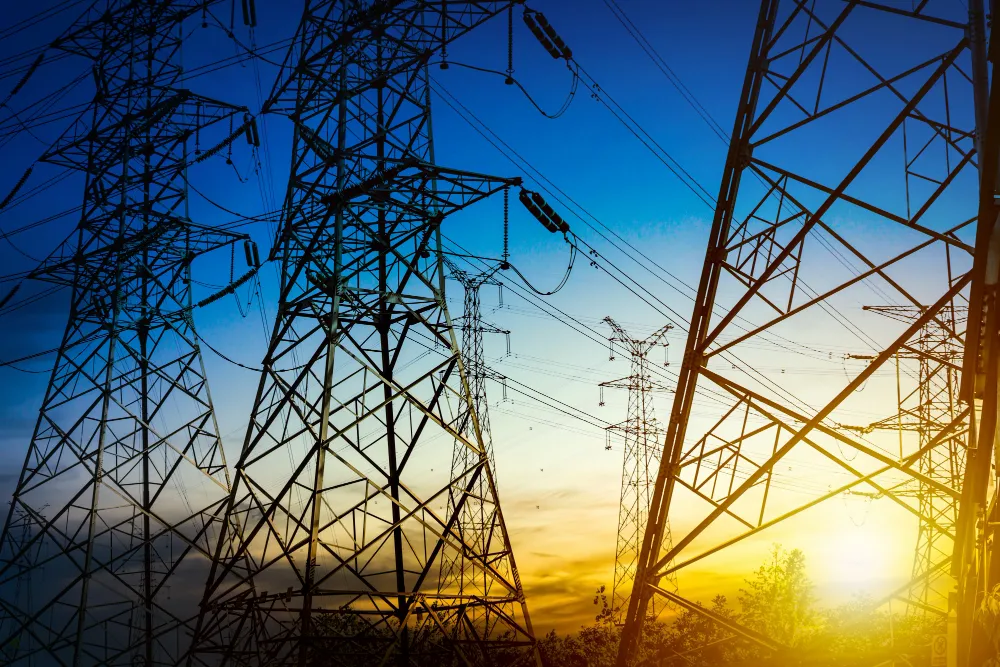
Meteorological characterization, concentration analysis, and assessment of how atmospheric conditions influence air quality in urban and industrial areas.
Environmental characterization, modeling, and technical reports to support permitting, monitoring of conditions, and regulatory-compliance evidence.
Tracking of hotspots and weather conditions favorable to fire spread, with alerts to prioritize response and protect critical areas.
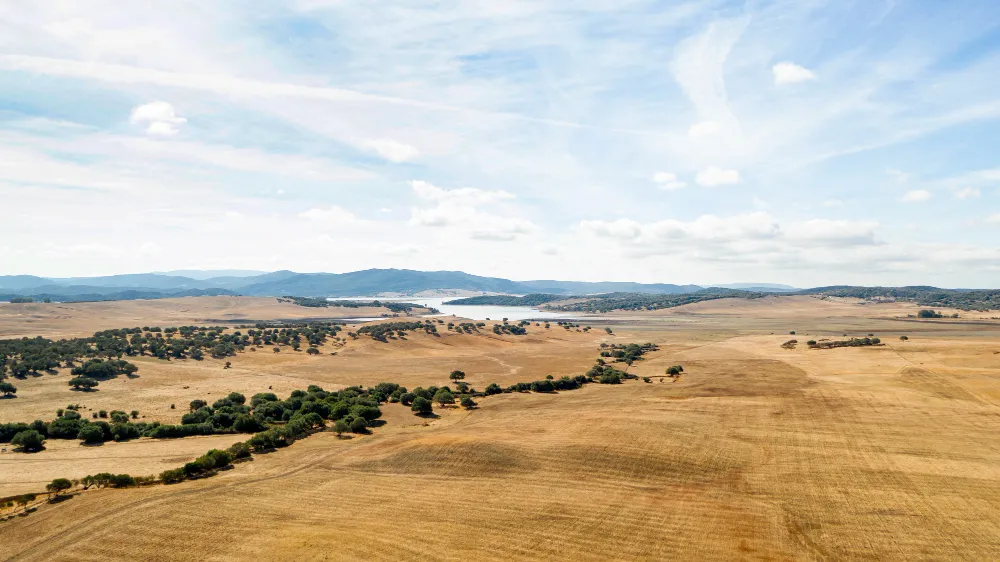
Water availability and stress indicators for tracking basins, operations, and territories exposed to drought, with decision-oriented alerts.
Emission-scenario simulations to assess trajectories, areas of influence, and mitigation measures for industrial processes and permitted projects.